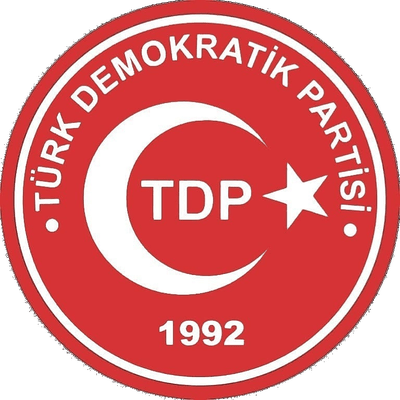
Democratic Party of Turks of Macedonia (DPTM) — consolidated text of 04.07.2021.
Consolidated Text
The Democratic Party of Turks of Macedonia (hereinafter DPTM/TDP) is an independent political party of voluntarily associated members, founded and operating to achieve the following aims and tasks: the survival and development of North Macedonia as a state of equal citizens in which every individual has an equal opportunity to secure a decent and safe life; the rule of law and the building of strong institutions capable of ensuring maximum protection of the individual rights and freedoms of citizens regardless of their ethnic, religious, political, gender or other affiliation (all inhuman and degrading treatment and torture are rejected as crimes against humanity); the preservation and advancement of the values of parliamentary democracy and market economy, and the fair distribution of the wealth and obligations created; strengthening the secular character of the state and its social functions in order to achieve a fairer distribution of national wealth; principled and honest policy toward members of all communities, through which the rights and freedoms of Turks are realised in education, culture, publishing, information activities and the use of the Turkish language and script; adequate and fair representation of Turks and members of other communities in state bodies and other public institutions at all levels; a modern education system; a continuous and stable foreign policy aimed at the accelerated integration of North Macedonia into the EU and Euro-Atlantic structures; appropriate appreciation of the historical past of the Turks; preservation of the national identity, values and dignity of the Turks in North Macedonia; protection of the multi-ethnic and multicultural fabric of society; promotion of policies strengthening the role of women, the dynamism of youth, the social security of pensioners, and the protection of persons with disabilities and the poor; cooperation with Turkish organisations and institutions in the country and in the Balkans, with citizens temporarily working abroad, and with the state bodies, institutions and individuals of the Republic of Türkiye.
The Democratic Party of Turks of Macedonia is a legal entity with its seat in Skopje, at Stiv Naumov Street No. 1. In its activities and legal transactions, the abbreviation DPTM may be used alongside the full name.
DPTM has an official round seal and a rectangular stamp bearing the name Democratic Party of Turks of Macedonia. The party's emblem is imprinted in the centre of the seal and on the left side of the stamp. The emblem consists of a red background with a white crescent in the centre; inside the crescent, in large Latin letters, are the initials TDP (from the party's original name); a five-pointed star is placed alongside the points of the crescent and the letters TDP. These symbols are also incorporated into the party's flag. The party also has its own anthem.
DPTM operates through its organisational forms, bodies and working groups, persons elected in parliamentary and local elections, and persons elected or appointed by the Assembly and Government of North Macedonia, through the activity of its members and cooperation with other organisations. DPTM may form coalitions with other political parties and pursue international cooperation in accordance with the law and the Constitution.
DPTM's work is public. The Central Executive Board is responsible for ensuring publicity. For certain internal matters, the bodies may decide to exclude the public.
The Turkish language and script are used in the work of DPTM, alongside the Macedonian language and script and other languages and scripts.
The Chairman of DPTM represents the party domestically and abroad. In the event of the Chairman's incapacity or absence, the party may be represented by one of the Deputy Chairmen or another member of the Central Executive Board.
Membership in DPTM is voluntary. Any adult citizen of North Macedonia may become a member by signing a membership declaration, thereby accepting the Programme and the Statute. The declaration is submitted to the branch, which decides on its verification at its first meeting; if rejected, the applicant may appeal within 15 days to a higher body, whose decision is final. Minors may take part in the party's cultural and youth activities. Members may be active in the Women's Section, and those under 30 in the Youth Forum. DPTM may also have honorary members.
The following may not become members of DPTM: persons who are not citizens of North Macedonia; members of another political party; persons whose legal capacity has been revoked by court decision; persons convicted of serious criminal offences; persons barred from political activity by court decision.
Re-admission of a member whose membership has been interrupted is decided by the Executive Board of the relevant organisational unit.
Every member is recorded in the party register; further provisions on its content and manner are set out in a separate rulebook.
A member has the right to: participate in shaping and implementing party policy; put forward ideas and proposals; elect and be elected to party bodies; stand as a candidate on party lists in local and parliamentary elections; belong to only one branch; and receive solidarity and legal assistance from the party in the event that their rights are violated because of their membership.
A member is obliged to: respect the Statute and Programme; comply with party decisions and the party hierarchy; promote the party's aims, ideas and principles; actively participate in elections and vote for DPTM candidates; refrain from improper conduct; and regularly provide material support to the party, including membership dues and other forms of assistance.
Membership ends due to: death; resignation; applying for membership in another political party; standing as a candidate on another party's list; expulsion from the party.
A member may be expelled from the party if: their political conduct is contrary to the Statute and Programme; as an elected or appointed official, they act contrary to the Statute and Programme; their improper conduct damages the party's reputation. The decision is taken by the Executive Board of the relevant organisational unit and must be communicated to the member in writing or via the party's website within 15 days of the decision. The member has the right to appeal within 15 days to the Central Executive Board, or, in specific cases defined by the Statute, to the Supervisory Board.
The fundamental principle of DPTM's organisation is the territorial principle.
DPTM is organised into basic organisational units (branches, municipal organisations, the national organisation) and other organisational forms (the Women's Section, the Youth Democratic Forum, organisational units abroad), the establishment of which is decided by the Central Executive Board.
The branch is the basic organisational form connecting the members of a given local community. A decision to establish a branch is taken by the Central Executive Board on the initiative of at least 5 members.
Branches with more than 50 members elect: a Chairperson, an Assembly of 27–29 members, an Executive Board of 11 members, a Secretary and a Treasurer. Branches with fewer than 50 members elect: a Chairperson, an Executive Board of 9 members, a Secretary and a Treasurer. Elections are held by secret ballot; in branches with more than 500 members, elections follow the delegate principle (1 delegate per 5 members). The term of office is 4 years, with no limit on re-election.
Meetings of the Executive Board and the branch Assembly are convened and chaired by the Chairperson; a meeting is quorate with the participation of more than half the members, and decisions are taken by majority vote of those present.
The branch Chairperson and Executive Board must ensure that the rights and obligations of members are fulfilled and must inform higher party bodies of decisions taken.
The branch Secretary: ensures decisions are implemented; prepares meetings of the branch bodies; contributes to shaping DPTM policy; and handles personnel matters. The term of office is 4 years, with no limit on re-election.
The municipal organisation is a form linking the branches within a municipality; its establishment and dissolution are decided by the Central Executive Board. Each municipal organisation may have its own seal, stamp and bank account.
Municipal organisations are entitled to revenue in accordance with a rulebook on material and financial operations adopted by the Central Executive Board.
The bodies of the municipal organisation are: the Assembly, the Chairperson, the Deputy Chairperson, the Executive Board and the Supervisory Board.
The Assembly is the highest body of the municipal organisation (37–45 members), comprising the Chairperson, Deputy Chairperson, members of the Executive and Supervisory Boards, delegates from the branches, DPTM councillors, and officials elected on the DPTM list.
The Assembly meets at least once a year, and every 4 years in an election session; it must convene before and after local and parliamentary elections. Members elected at the election session serve a 4-year term.
The municipal organisation's Assembly: participates in shaping the party's programme; elects the Chairperson, members of the Executive Board and one Deputy Chairperson; proposes delegates to the Central Assembly and candidates for party and public office; discusses reports from party bodies; and adopts its own rules of procedure.
The Chairperson of the municipal organisation represents and leads the organisation, convenes Executive Board meetings, and keeps higher bodies informed of decisions taken. The term of office is 4 years, with the right to one further re-election.
The Executive Board of the municipal organisation consists of the Chairperson, the Deputy Chairperson and 11 members; it elects a Secretary from among its members. The term of office is 4 years, with the right to re-election.
The Executive Board leads the organisation between sessions of the Assembly, ensures decisions are implemented, issues political assessments, and adopts its own rules of procedure and decisions on organisational forms at municipal level.
Meetings are convened and chaired by the Chairperson of the municipal organisation; in their absence, by the Deputy Chairperson, the Secretary, or another member as provided for in the rules of procedure.
The rights and obligations of the Chairperson, Deputy Chairperson, Secretary and Executive Board members are regulated by rules of procedure.
The Supervisory Board of the municipal organisation has 3 members and elects a chairperson from among its members. The term of office is 4 years, with the right to re-election. It assesses the compliance of acts with the Statute, oversees the organisation's financial and business activity, and reports to the Assembly.
The Central Executive Board may establish regional forms linking municipal organisations.
The bodies of the national organisation are: the Congress, the Central Assembly, the Chairman, the Secretary-General, the Central Executive Board and the Supervisory Board.
The Congress consists of ex officio members (the Chairman, Deputy Chairmen, Secretary-General, members of the Central Assembly, Central Executive Board and Supervisory Board, MPs, ministers, mayors and officials elected on the DPTM list, chairpersons of municipal organisations, and the chairpersons of the Youth Forum and Women's Section) and delegated members (one delegate per a set number of members of municipal organisations/branches).
The Congress is the party's highest body, either regular (every 4 years) or extraordinary (upon the request of 2/3 of the Central Assembly, held within 90 days). Valid decisions require the presence of at least 2/3 of delegates.
The procedure and criteria for nominating candidates for Chairman are determined by the Central Assembly; the candidate who receives a majority of the delegates' votes is elected.
The Congress: adopts and amends the Programme and Statute; approves the report on the work of party bodies between two Congresses; decides on changing the party's name and symbols or merging with another party; and elects the Chairman, the members of the Central Assembly (with a reserve list) and the members of the Supervisory Board.
Further provisions on the work of the Congress are set out in its rules of procedure.
The Chairman of the party is simultaneously Chairman of the Central Assembly and of the Central Executive Board.
The Chairman: represents the party; leads it between sessions of its bodies; convenes and chairs sessions of the Central Assembly and Central Executive Board; ensures the implementation of the Programme and Statute; concludes agreements and signs acts and documents; proposes the election or dismissal of 2 to 4 Deputy Chairmen and members of the Central Executive Board, as well as of public officeholders elected or appointed on the party's proposal; may suspend the implementation of decisions of the Central Executive Board; and reports annually to the Central Assembly. The term of office is 4 years, with the right to re-election.
On the Chairman's proposal, the Central Assembly elects and dismisses the Secretary-General by majority vote. The term of office is 4 years, with the right to re-election.
The Secretary-General: takes part in the work of the Central Assembly and Central Executive Board; organises the preparation of their meetings; monitors and oversees the work of the secretaries of branches and municipal organisations; is responsible for the party's material and financial operations; and organises the administrative preparation of the Congress.
The Central Assembly consists of: the Chairman, the Deputy Chairmen, the Secretary-General, DPTM's MPs, ministers/deputy ministers, mayors elected on the DPTM list, the chairpersons of the Youth Forum and Women's Section, and 49 members elected by the Congress.
The Central Assembly is the party's highest body between two Congresses: it leads the party and ensures its decisions are implemented; elects the Deputy Chairmen, the Secretary-General and 15 members of the Central Executive Board; determines candidates for MPs and for local self-government bodies; elects a Personnel Commission; decides on cooperation and coalitions with other parties; issues political assessments; rules on appeals against decisions of branch or municipal Executive Boards; conducts the party's financial policy and manages its property; and reviews and adopts the annual financial plans and reports.
Sessions of the Central Assembly are convened and chaired by the Chairman; they may also be convened by the Deputy Chairman, the Secretary-General or a member of the Central Executive Board when so provided in the rules of procedure. The Assembly meets at least once a year and mandatorily before and after elections.
The Central Executive Board consists of: the Chairman, the Deputy Chairmen, the Secretary-General, DPTM's MPs, ministers, mayors elected on the DPTM list, the chairpersons of the Youth Forum and Women's Section, and 15 members elected by the Central Assembly. The term of office is 4 years, with the right to re-election.
The Central Executive Board is the party's political-executive body: it implements the conclusions of the Central Assembly; decides on the establishment of branches and municipal organisations; confirms the election of their chairpersons; appoints municipal and regional coordinators; conducts the party's ongoing financial and material operations; proposes candidates for parliamentary, presidential and local elections; and appoints the party treasurer.
The Central Executive Board may also take decisions falling within the competence of the Central Assembly where circumstances require, informing the Central Assembly and submitting such decisions for approval at its next session.
The Council of DPTM is an advisory body of 15–20 distinguished figures from academia, culture and public life, which offers proposals and recommendations to the Congress and Central Assembly on the party's strategic issues. The term of office is 4 years, with the right to re-election.
The Supervisory Board has 5 members and elects a chairperson from among its members; it reviews the party's financial and business activity, assesses the compliance of acts with the Statute, and rules on appeals against decisions of the Central Assembly. The term of office is 4 years, with the right to re-election.
DPTM's bodies validly convene and decide when more than half of their members are present; decisions are taken by majority vote of those present.
The procedure, method and criteria for nomination and election are determined by the Central Assembly.
Officeholders are elected by secret ballot; the candidate who receives the highest number of votes, exceeding 1/3 of the total membership of the electoral body, is elected. If necessary, a second round is held between the two candidates with the most votes.
Members of party bodies are elected by secret ballot, voted on individually for each candidate. In all DPTM bodies, it is desirable that at least 20% of members be under 30 years of age and at least 20% be women.
The procedure for determining candidates for MPs, the presidency, and local self-government bodies is regulated by a rulebook adopted by the Central Assembly.
DPTM's Members of Parliament in the Assembly of North Macedonia are simultaneously members of the Central Assembly and the Central Executive Board.
If their numbers permit, DPTM's MPs form a parliamentary group; otherwise, they join the parliamentary group of coalition partners.
The provisions of this chapter apply, mutatis mutandis, to DPTM's municipal councillors.
The Youth Democratic Forum is a youth organisation operating within DPTM; its establishment and dissolution are decided by the Central Assembly.
In addition to members, sympathisers of DPTM may also join the Forum.
Members of the Forum elect their own bodies at all organisational levels and delegate representatives to DPTM's bodies.
The Chairperson of the Youth Democratic Forum is simultaneously a member of the Central Assembly and the Central Executive Board.
The Forum operates on the basis of the party's Programme, Statute and its own rules of procedure.
The Women's Section is a women's organisation operating within DPTM; its establishment and dissolution are decided by the Central Assembly.
In addition to members, sympathisers of DPTM may also join the Women's Section.
Members of the Women's Section elect their own bodies at all organisational levels and delegate representatives to DPTM's bodies.
The Chairperson of the Women's Section is simultaneously a member of the Central Assembly and the Central Executive Board.
The organisational structure of the Women's Section is regulated by a separate rulebook.
These are organisational centres for citizens of North Macedonia temporarily working abroad who accept DPTM's programme documents; their establishment and dissolution are decided by the Chairman or the Central Assembly.
The organisational structure of these units is regulated by a separate rulebook.
DPTM is financed from: the budget of North Macedonia; membership dues; donations and contributions from members and sympathisers; income from natural and legal persons up to the statutory maximum; and income from its own property and lawful economic activity. DPTM may not receive funds from: foreign governments, international institutions and foreign persons; state bodies outside the budget; enterprises with social or state ownership.
DPTM may carry out economic activity where permitted by law and may found enterprises. The Central Assembly manages the party's property; the termination of membership or of an organisational form confers no rights to DPTM's property.
DPTM may organise publishing activities (books, newspapers, magazines) and establish radio/TV outlets, subject to a decision of the Central Assembly.
An office ends through recall or resignation; the seat of a recalled member is filled by a new member from the same organisational unit, or, for members of the Central Assembly, from the reserve list.
A proposal for recall may be submitted by the relevant bodies at each level; the procedure and time limits (3 months, or 6 months for the Chairman) are set out in the Statute; there is a right of appeal to the Supervisory Board within 15 days.
Resignation is submitted in writing to the relevant body, which must record it within 3 months at the latest; the Chairman's resignation is recorded by an extraordinary Congress.
The Central Assembly may dissolve an organisational form due to the cessation or reduction of its activity, or conduct contrary to the Programme and Statute; there is a right of appeal to the Supervisory Board within 15 days, whose decision is final.
DPTM establishes a professional service for administrative work; its organisation and employment relations are regulated by general acts of the Central Executive Board.
DPTM may cease to operate: by a final court ruling prohibiting its activity; if its membership falls below the statutory minimum; or by decision of the Congress (with a 2/3 majority). In the event of dissolution, the Congress decides to whom the party's property is transferred.
The predecessor of DPTM is the Democratic Union of Turks; members' party seniority is counted from the time of their membership in the Union.
Amendments to the Statute, and the adoption of a new Statute, are made by the Congress by majority vote of the total membership.
This Statute enters into force on the day of its adoption.
All general acts of the party must be brought into line with the provisions of this Statute within 90 days.
04.07.2021, Skopje